Canvas of Thoughts Review
“A tender, hand-painted window into a neurodivergent mind - thoughtful, beautiful, and unlike anything else on Steam”

Pros
- + Hand-painted watercolor art is stunning and completely distinctive
- + Emotional choice system replaces traditional dialogue - rare and quietly brilliant
- + Meaningful neurodivergent representation, handled with care and authenticity
- + Every chapter has its own palette, soundscape, and emotional tone
- + Accessible pace - no combat, no failure states, no time pressure
- + Puzzles reward observation and pattern recognition, not twitch skills
- + Free demo available via the Gamosy KeyVault creator campaign
Cons
- - Q2 2026 release - full scope and length still unconfirmed
- - Niche audience - players wanting action or challenge will bounce
- - Demo only offers a taste of the planned chapters
- - Point-and-click pace won't suit players looking for fast feedback loops
What Is Canvas of Thoughts?
Most games show you a world and ask you to conquer it. Canvas of Thoughts shows you a world and asks you to feel it. Built by Bandaloop Games GmbH, this emotional point-and-click adventure drops you inside the head of Evi, an 11-year-old girl navigating a neurodivergent experience of everyday life - classrooms, playgrounds, shopping malls, family gatherings, doctor's offices. Places we all know, rendered through a perspective most of us have never been invited to sit with.
Each location is its own chapter, each chapter has its own palette, sound, and emotional weather. You don't fight anything. You don't rush. You click, you observe, you collect small everyday objects, and you solve puzzles that feel less like challenges and more like acts of quiet understanding. It's one of the most unusual projects in the 2026 indie calendar, and the demo already makes the pitch clear.
Add Canvas of Thoughts to your Steam Wishlist - support this neurodivergent-led indie project.
A Watercolor Window Into Evi's World
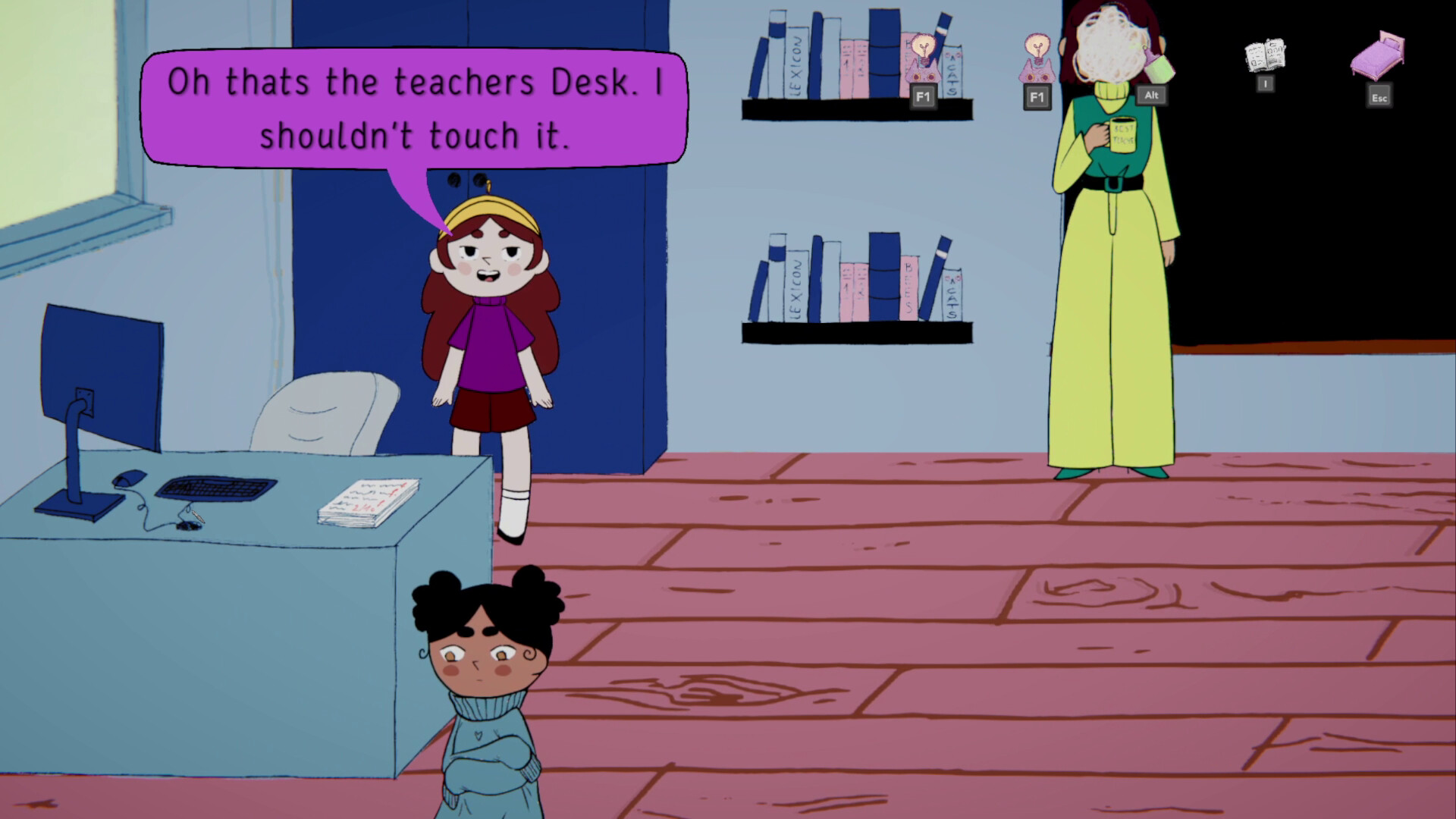
The first thing you notice is the art. Canvas of Thoughts is hand-painted in watercolor, and it doesn't look like anything else on Steam. Backgrounds breathe. Color isn't just decoration - it's mood, memory, and sensory state. A calm moment reads in soft blues and pale greens. An overwhelmed moment floods the scene with loud, clashing reds and yellows. You understand what Evi is feeling before you read a single line.
This is the smartest thing the game does. Instead of explaining neurodivergence through dialogue boxes and exposition, it lets you live inside it visually. Sound does the same work - the soundscape shifts texture between chapters, quiet in some places, genuinely overwhelming in others. If you've ever tried to describe sensory overload to someone who doesn't experience it, this game does the explaining for you in about three seconds flat.
Feelings Over Words
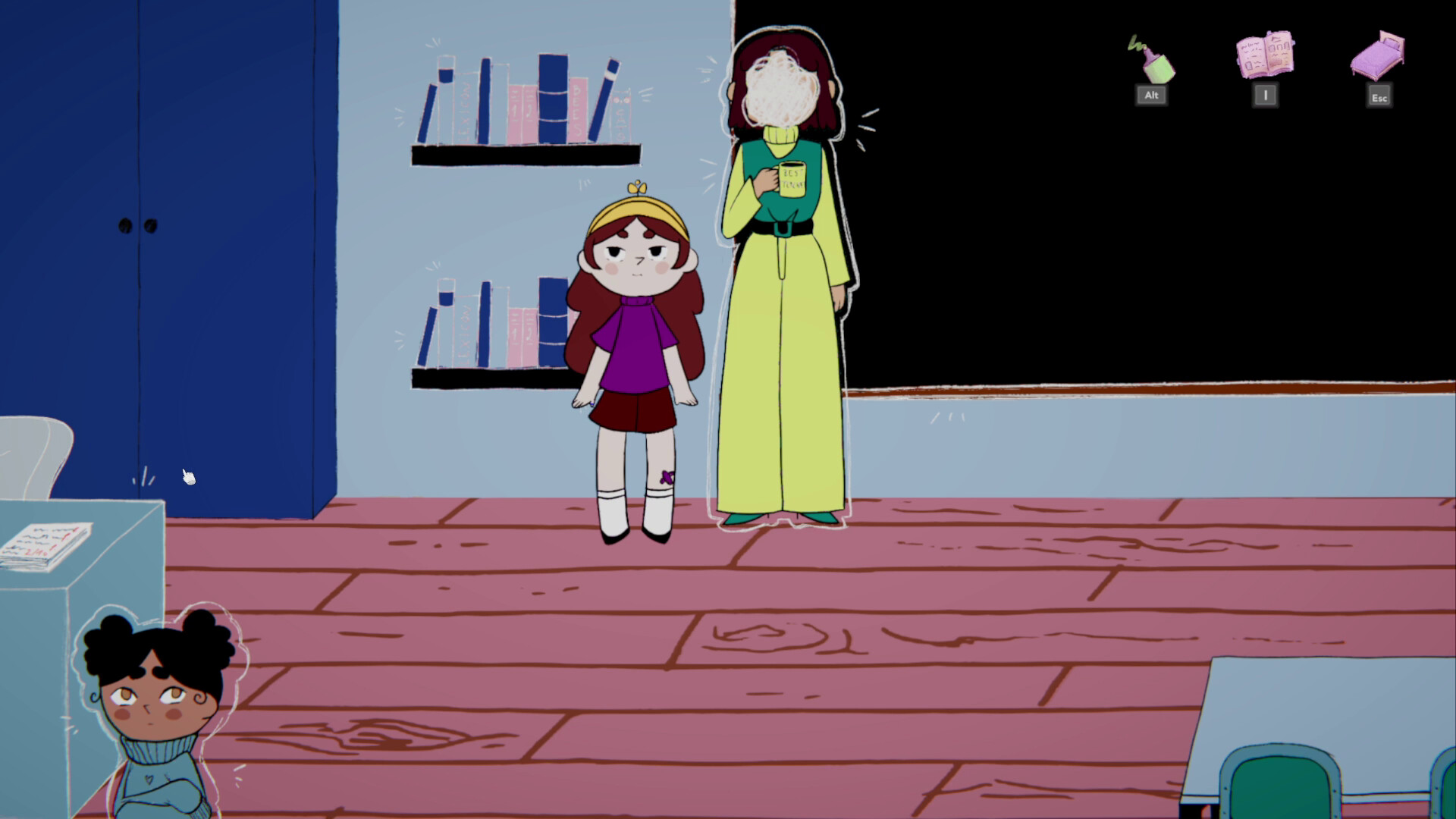
Canvas of Thoughts swaps traditional dialogue for something genuinely unusual: emotional choices. When the game asks you to respond, you're not picking lines of text - you're picking how Evi feels. Curious. Overwhelmed. Quietly frustrated. Hopeful. Your choice shifts her internal state, which shifts the scene itself, which shifts what you can do next.
It's a mechanic that sounds simple on paper and plays remarkably well. It sidesteps every awkwardness of writing authentic dialogue for an 11-year-old narrator. It makes the player participate in the neurodivergent experience rather than just watch it. And it turns every "conversation" into a small, honest choice about what you're willing to let a character feel - which is a much more interesting design question than "which of these three quippy replies should I pick."
Puzzles That Breathe

The puzzles themselves are a mix of inventory-combining classics, pattern recognition, and observation work - the kind where you're not fighting the puzzle so much as listening to the scene until the answer shows up. There are no timers, no fail states, and no systems punishing you for sitting with a problem.
This matters more than it sounds. The entire design philosophy of Canvas of Thoughts is that overwhelmed brains deserve space to think, and the game's mechanics respect that down to the smallest detail. You can't lose. You can only understand, at your own pace. In a market where "accessibility" often means toggles in a menu, this is accessibility baked into the grain of the thing itself.
Who Should Play This?
- Fans of Gris, Florence, and Night in the Woods - Canvas of Thoughts sits in that same emotional, artful, narrative-first space
- Neurodivergent players - for once, a game built around an experience that looks and sounds like yours
- Parents, teachers, and therapists - a tender, specific, non-preachy way into a conversation that's usually hard to start
- Point-and-click veterans - the puzzle design respects the genre's heritage without being punishing
- Indie art lovers - the watercolor work alone is worth the price of admission
Is Canvas of Thoughts Worth Wishlisting?
Absolutely. Gamosy rates the demo 9/10, with the caveat that the final build arrives in Q2 2026. What's already on display - the watercolor art, the emotional choice system, the sensory-driven chapter design, the care with which neurodivergence is represented - is some of the most thoughtful game design coming out of Europe's indie scene this year. Bandaloop Games is working across multiple social channels and listening to the community, which bodes well for the final release. If you're on the fence, the free demo (available to creators through the Gamosy KeyVault campaign) will tell you everything you need to know within 20 minutes.
When Does Canvas of Thoughts Release?
Canvas of Thoughts is scheduled for Q2 2026 on Steam (PC). A free demo is already available and is the centerpiece of Bandaloop Games' current creator campaign - the best way to experience the game right now is to grab a key, play the demo, and make up your own mind before launch.
The Bottom Line
Canvas of Thoughts isn't trying to be a game for everyone - it's trying to be a game that actually matters to someone. That's rarer and harder than it sounds. The watercolor art is beautiful. The emotional choice system is genuinely innovative. The neurodivergent perspective is handled with specificity and care rather than broad strokes. At 9/10, the score reflects a project with an unusually clear vision and the craft to back it up.
This is the kind of release that quiet indie masterpieces are made of. Wishlist it, play the demo, and mark Q2 2026 on your calendar.
Wishlist Canvas of Thoughts on Steam
Canvas of Thoughts is coming to Steam in Q2 2026. Developer & Publisher: Bandaloop Games GmbH. Platform: PC (Steam). Single-player only. Price: TBA. Free demo available through the Gamosy KeyVault creator campaign.
More Gamosy Reviews: Surfers Code Review - A physics-first surf simulator set on a tropical island paradise, rated 10/10.
Building an indie game? Get it in front of the right audience.
Gamosy helps indie developers distribute Steam keys, publish to 19 social platforms, and connect with content creators. Start free, no card required.
Learn More